
Planning Technology for How Buildings Actually Work
From the moment you arrive at a facility to the time you leave, you are interacting with technology in ways you may not even notice. Do you badge through a door entrance? Use an elevator? Connect to Wi-Fi? Join a video call? These systems are intentionally designed for the way people naturally move through and interact with a building, becoming more intuitive, reliable, and effective.
Start with the People
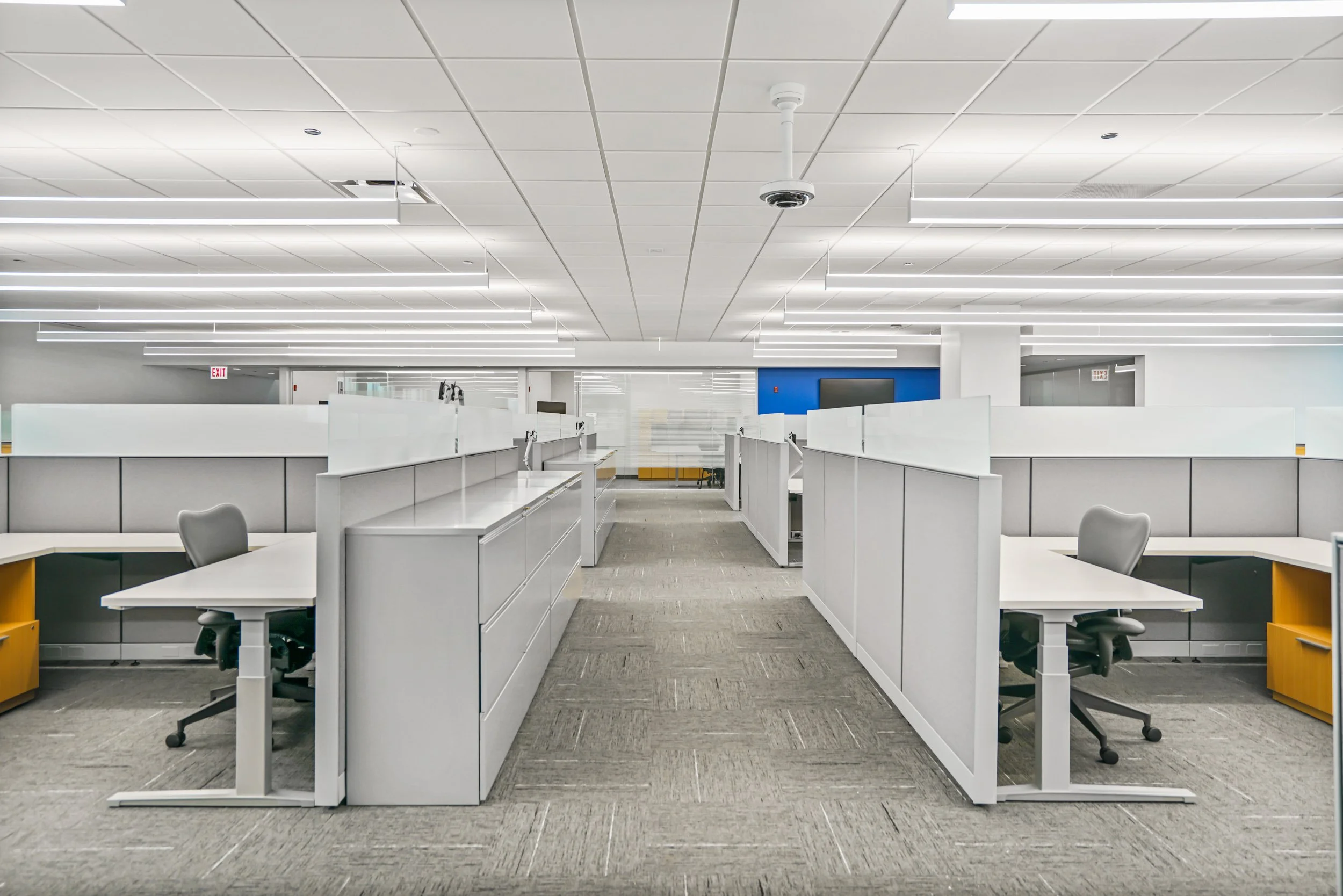
Technology planning often begins with a list of systems: internet, security, fire alarm, AV, and so on. But in order to understand the structure of these systems is understanding the people who will use the building. Who enters the building? Where do they go? Which areas need to be accessible to everyone and which need additional security? How will visitors move through the space? How many devices will rely on the network?
A hospital, for example, will have different technology needs than a school or corporate office. A building’s purpose should drive the technology.
The Entire User Journey
Thoughtful technology design takes into account what happens from one point of interaction to the next. Take a typical office building. An employee might:
Swipe a badge or mobile credentials to enter the building
Devices auto connect to the Wi-Fi
Access an elevator or controlled area
Join a video conference
Have uninterrupted cell signal throughout all areas
Use shared spaces throughout the day
Encompassing all the technology that could be utilized throughout the day eliminates gaps and makes technology almost unnoticeable. (Let’s be honest, you notice when it doesn’t work.)
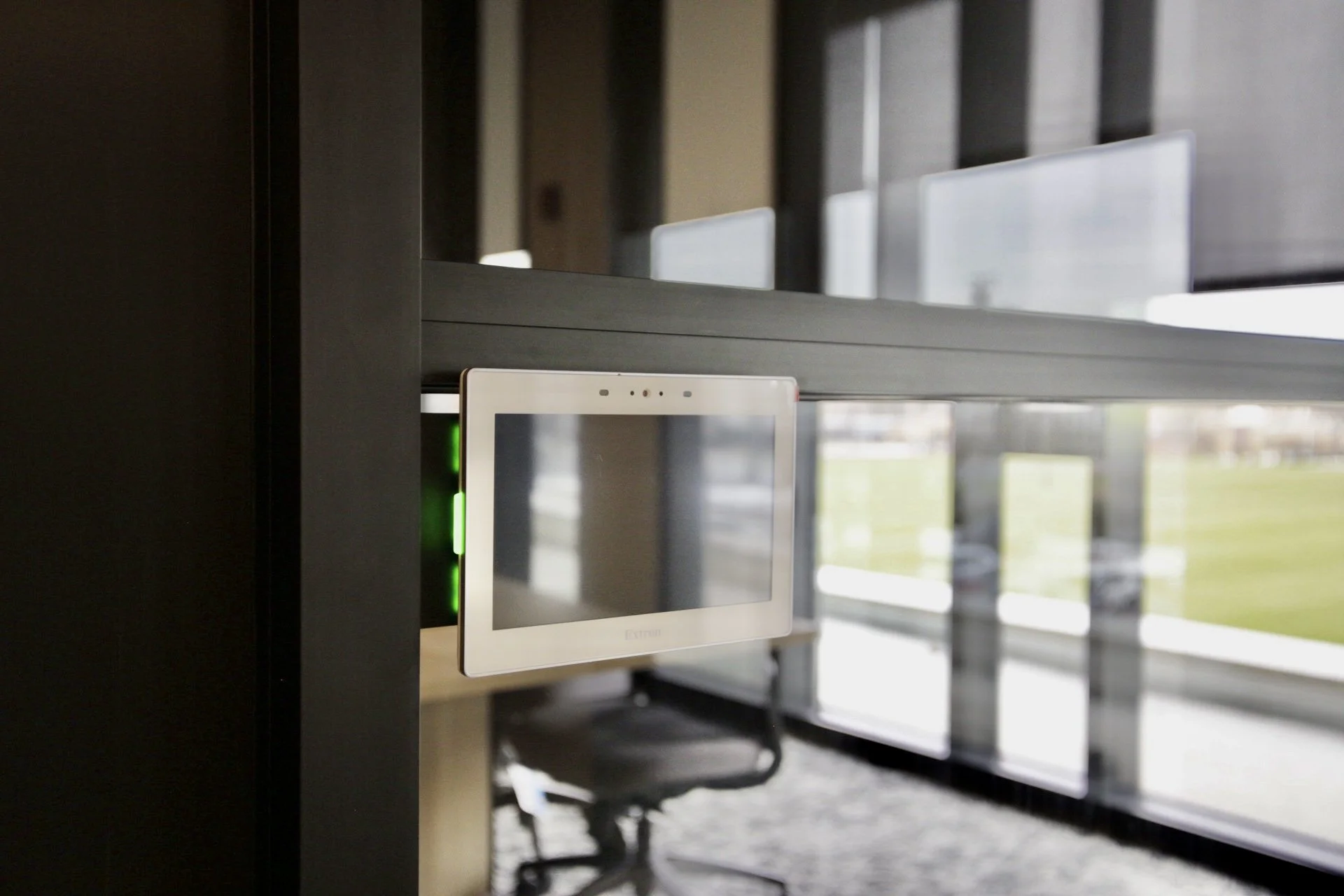
When technology is thoughtfully designed, people don't have to think about it.
Doors open when they should. Wi-Fi works where people need it. Cameras provide the right coverage. Meeting rooms are easy to use. Communications systems deliver information when it matters. Infrastructure has the capacity to support what comes next.
That is the goal. Not adding more technology for the sake of technology, but creating an environment where technology supports the people, operations, and purpose of the building.
At Low Voltage Solutions, we approach technology as part of the larger building, not as a collection of individual systems. By understanding how a facility will be used, coordinating early, and planning for what comes next, we help create technology infrastructure that works for the people using it today and can adapt to what they need tomorrow.